Educate - Engage - Empower
Fertility Appreciation Collaborative to Teach The Science
With fertility awareness-based methods (FABMs), a woman can learn to observe various physical signs, or biomarkers, that reflect the hormonal changes in her monthly cycle. A woman may record these observations on a paper chart or track them using an app to monitor fertile and infertile days and understand her body better.
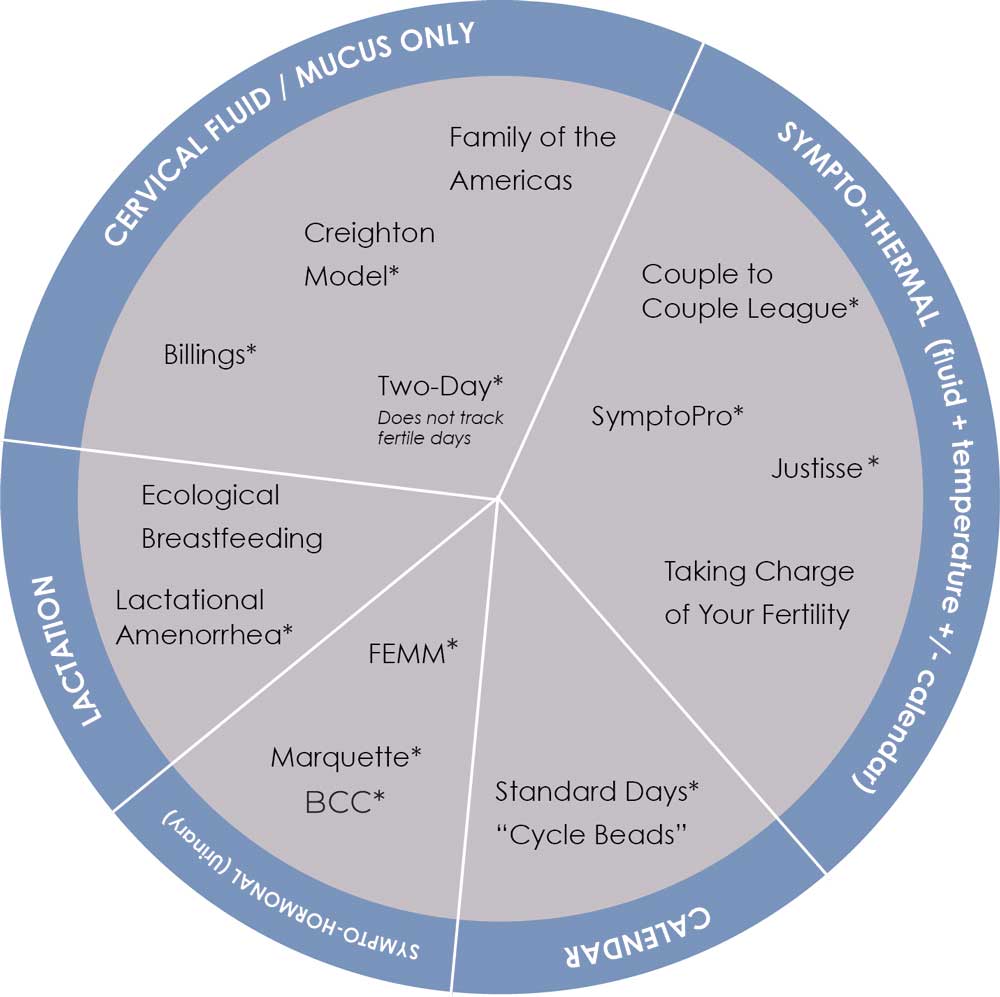
The best method is the one that works best for the woman and her partner.
Factors to consider include learning style, availability for distance learning, health literacy, and the presence of cycle abnormalities or problems with fertility.
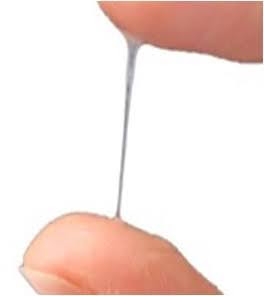
Cervical fluid secretions can be noted throughout the day, either through sensation and/or visual observations. Variations in cervical mucus reflect hormonal changes that affect the cervix.
Signs used: Cervical fluid (external sign)
Records daily signs useful for health monitoring: Yes
Billings Ovulation Method® (BOM) is based on a woman’s daily observations of cervical fluid (also known as cervical mucus). A woman notes the sensation of cervical fluid at the vulva to determine if she may be fertile. Throughout a woman’s cycle, four simple rules are applied (three prior to ovulation and the fourth rule after the fertile phase ends). These rules are applied based on a couple’s desire to achieve or postpone pregnancy. Women should attend classes or receive instruction from a trained educator to ensure accuracy in using the method to achieve or postpone pregnancy.
Billings Ovulation Method | Método Billings
www.boma-usa.org
Signs used: Cervical fluid (external sign)
Records daily signs useful for health monitoring: Yes
Creighton Model FertilityCare System (CrMS) is a comprehensive method for tracking a woman’s fertility by teaching her to objectively describe her cervical fluid or mucus observations throughout her cycle. Women learn to observe and record the quality and quantity of her cervical fluid in a standardized and systematic way and can time intercourse to either avoid or achieve pregnancy.
In addition, the CrMS chart serves as a tool for evaluating and monitoring a woman’s reproductive and gynecologic health through the new science of Natural Procreative (NaPro) Technology. Women or couples should attend classes or receive instruction from a trained educator to ensure accuracy in using the method to achieve or postpone pregnancy. Special attention is provided to help couples navigate the challenges that behavior change may present in their relationship.
Creighton Model | Modelo Creighton
www.fertilitycare.org
www.CreightonModel.com
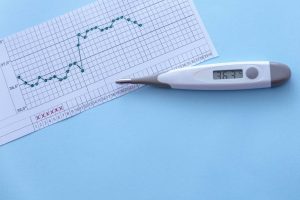
An increase in the resting body temperature is an indicator of rising progesterone that can be detected after ovulation.
Signs used: Cervical fluid (external sign), basal body temperature (BBT)
Optional sign: Changes in the cervix
Records daily signs useful for health monitoring: Yes
The Sympto-Thermal Method (STM) is based on a woman’s observations of her cervical fluid, basal body temperature (waking temperature), and other biological signs (e.g., changes in the cervix). A woman records the characteristics of her cervical fluid secretions and monitors her basal body temperature, which rises after ovulation. Couples cross-check these two primary signs and follow specific guidelines to determine the beginning and end of their fertile days. Women should attend classes or receive instruction from a trained educator to ensure accuracy in using the method to achieve or postpone pregnancy.
SymptoThermal Method | Método Sintotérmico
SymptoPro
Couple to Couple League International
Serena Canada
Justisse
Boston Cross Check
www.bostoncrosscheck.com

Short, regular, or long cycles can be defined by knowing your total cycle length.
Signs used: Fixed fertile window is identified
Records daily signs useful for health monitoring: No
The Standard Days Method identifies a fixed fertile window in the woman’s cycle when a couple could become pregnant if they have sexual intercourse during that time. All other days in a woman’s cycle are considered non-fertile. Any woman with regular cycles lasting 26 to 32 days who desires a natural, hormone-free method can use the Standard Days Method. If the couple does not want to get pregnant, they would avoid intercourse on days 8 through 19 of the woman’s cycle. A woman can use CycleBeads®, a color-coded string of beads, to track the days of her menstrual cycle and see which days she is most likely to get pregnant. This simple, but effective method can be taught in a brief office visit.
Standard Days Method | Método de Dias Fijos
www.irh.org/standard-days-method/

Records daily signs useful for health monitoring: No
The Lactational Amenorrhea Method is a short-term family planning method based on the natural effect of breastfeeding on fertility. The act of breastfeeding, particularly exclusive breastfeeding, suppresses the release of hormones necessary for ovulation. If menses has not returned and the infant is exclusively or nearly exclusively breastfed, the method provides protection from pregnancy for a woman immediately following birth until the child is six months old. Please consider the further instructions to ensure criteria for use are met.
Lactational Amenorrhea Method | Método de Lactancia y Amenorrea
www.irh.org/lam/
Stay up to date on the latest FACTS opportunities by joining FACTS today. Your dues will directly support our work and afford you certain benefits, such as a selection of materials and priority registration.
Students & Residents
Patients
Professionals
Resources
Stay connected with timely RRM research summaries, blog updates, and upcoming opportunities with FACTS.